
Massage Types Malta Guide | Which One Is Right for You?

The Complete Massage Types Malta Guide: Find Your Perfect Treatment
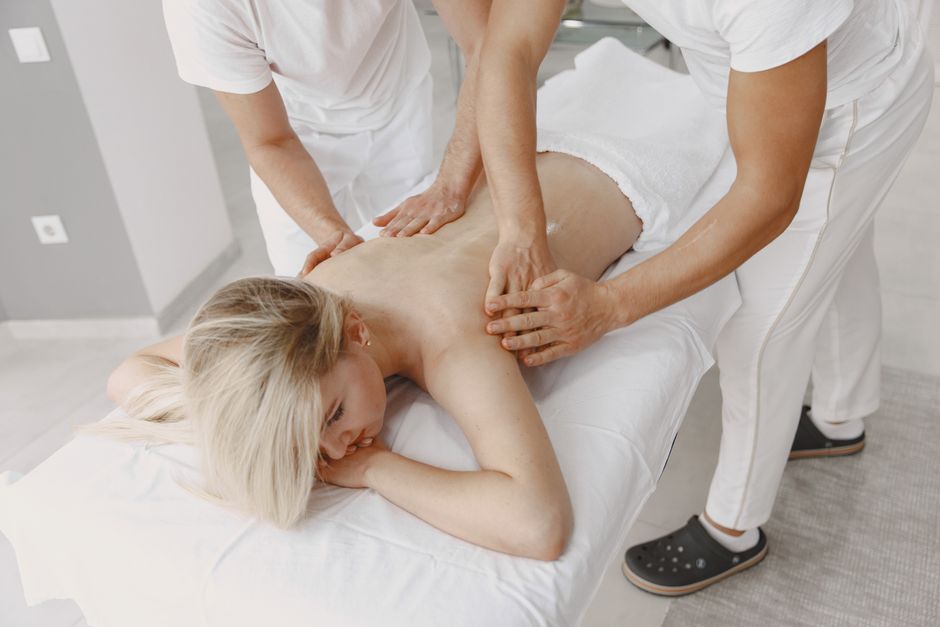
Malta offers eight main types of massage — Swedish, deep tissue, hot stone, Balinese, aromatherapy, Thai, pregnancy, and lymphatic drainage. Each serves a different need. This massage types Malta guide explains what each treatment does, who it suits, how much pressure to expect, and when to choose something else.
Quick Reference — What Each Massage Does
| Massage Type | Pressure | Best For |
|---|---|---|
| Swedish | Light to medium | First-timers, general relaxation |
| Deep tissue | Firm to intense | Chronic tension, muscle knots |
| Hot stone | Light to medium | Cold sensitivity, deep warmth |
| Balinese | Medium | Fatigue, full-body reset |
| Aromatherapy | Light to medium | Stress, mood, sleep |
| Thai | Medium to firm | Stiffness, flexibility |
| Pregnancy | Light to medium | Second/third trimester relief |
| Lymphatic drainage | Very light | Post-surgery, fluid retention |
You have carved out time. You want it to count. Malta has no shortage of places that offer a massage, but finding the treatment that actually fits what your body needs today is a different matter. The eight types vary in pressure, technique, and purpose. Some leave you loose and sleepy. Others work through deep layers and may produce mild soreness the next day. A few require specific timing — before or after pregnancy, before or after surgery. This massage types Malta guide walks you through each one so you can book with confidence.
How to Use This Guide
Read the one-line description for each massage type, then check the pressure level and "who it suits" note. If your primary need matches, read the full section. If you are unsure between two options, the Pressure Level at a Glance table and the How to Choose section at the end will narrow it down. When you are ready to explore every treatment on offer, you can browse and explore all massage treatments at Carisma Spa Malta at https://www.carismaspa.com/massages.
The Eight Main Massage Types Available in Malta
Swedish Massage
Swedish massage is the most widely available massage treatment in Malta and the logical starting point for anyone new to therapeutic bodywork. The therapist uses long, gliding strokes called effleurage, light kneading of the muscle belly, and small circular movements over bony areas. The motion follows the direction of venous blood flow back toward the heart, which is why Swedish massage reliably improves circulation and leaves you feeling lighter.
Pressure is light to medium throughout. A skilled therapist will check in at the beginning and adjust based on your response. There is no sustained work on deep tissue layers, so post-treatment soreness is rare. Sessions run 60 or 90 minutes. 60 minutes is the standard for most first visits.
Who it suits: First-timers. Anyone who wants to decompress without intensity. People who are sensitive to pressure. Those recovering from a stressful week rather than a physical injury.
When to choose something else: If you carry chronic muscle tension — tight shoulders that have been building for months, a lower back that never fully releases — Swedish will feel pleasant but may not address the underlying holding pattern. In that case, deep tissue is the better fit.
Deep Tissue Massage
Deep tissue massage applies sustained, firm pressure to reach the fascia and deeper muscle tissue beneath the surface layers. The therapist works slowly, using thumbs, forearms, or elbows to press into areas of chronic holding and release adhesions — the fibrous bands that form when muscle tissue has been repeatedly strained or held in tension.
This is not a comfortable treatment throughout. You may feel a therapeutic intensity in areas of significant tightness. That sensation should sit in the range of "productive discomfort" rather than sharp pain. If anything crosses into actual pain, tell your therapist immediately. Mild soreness the following day is normal and typically resolves within 48 hours.
Sessions run 60 or 90 minutes. 90 minutes allows the therapist to work through the full back, neck, and shoulder complex plus problem areas in the legs without rushing.
Who it suits: People with chronic muscle tension — habitual desk posture, repetitive strain, athletes carrying training fatigue. Anyone whose last Swedish massage felt too surface-level.
When to choose something else: If you are in an acute injury phase, have inflammation in the area, or bruise easily. Deep tissue is also not appropriate immediately before a big physical event — a competition or a long run. Allow 48 hours.
Hot Stone Massage
Hot stone massage places smooth, heated basalt stones along the length of the spine and other key points along the body while the therapist uses additional warm stones as an extension of their hands. The heat penetrates muscle tissue more efficiently than manual pressure alone, allowing the therapist to work at a medium depth with considerably less mechanical effort.
Stones are typically heated to between 45 and 55 degrees Celsius. At the correct temperature the heat feels enveloping rather than intense. The warmth spreads through the muscle belly, releasing tension that would otherwise require sustained deep pressure to address.
Sessions run 75 to 90 minutes to allow time for both the stone placement and the manual work.
Who it suits: Anyone who feels cold easily. People who carry tension but find deep tissue pressure too intense. Those who want a deeply relaxing experience with therapeutic effect.
When to choose something else: Hot stone is not suitable if you have impaired sensation in any part of the body, cardiovascular conditions that affect heat tolerance, or skin conditions in the treatment area. Always disclose relevant medical history before booking.
Balinese Massage
Balinese massage draws from a tradition that blends gentle stretching, acupressure on specific points along the body's energy lines, skin rolling, and long effleurage strokes. It works the full body systematically over a 90-minute session and uses a warm, fragrant oil that supports deeper tissue contact.
The experience moves between lighter, circulatory strokes and moments of focused pressure on key points. Unlike deep tissue, the pressure is applied more broadly and the rhythm is gentler. The overall effect is a full-body reset — circulation improved, muscles relaxed, nervous system calmed.
Who it suits: Anyone who wants a thorough, ritualistic treatment that covers the full body without the intensity of deep tissue. Particularly well-suited to people who feel physically and mentally depleted rather than carrying a specific injury.
When to choose something else: If you need targeted work on a specific chronic issue — a single tight area rather than full-body fatigue — a focused 60-minute deep tissue session may deliver more targeted results.
Aromatherapy Massage
Aromatherapy massage combines the manual technique of Swedish massage with the therapeutic properties of essential oils blended specifically for your presenting need. The therapist selects oils for their documented effects — lavender for nervous system calming, eucalyptus for respiratory clarity, bergamot for mood, rosemary for circulation — and blends them into a carrier oil at the correct dilution before application.
Pressure is light to medium, following Swedish technique. The effect is compounded by the olfactory impact of the oils throughout the session. Because the skin absorbs small quantities of essential oil compounds during treatment, the systemic effect extends beyond the session itself.
Sessions typically run 60 minutes.
Who it suits: People whose presenting issue is primarily stress, anxiety, sleep disruption, or low mood. Those who respond strongly to scent and find it grounding. Anyone who wants a sensory as well as a physical experience.
When to choose something else: If you have fragrance sensitivities or skin reactions to essential oils. If your primary need is deep muscular work rather than relaxation and mood support, Swedish or deep tissue will be more effective.
Thai Massage
Thai massage is performed fully clothed on a floor mat. There is no oil. The therapist uses their hands, thumbs, elbows, knees, and feet to apply pressure along the body's energy lines while simultaneously guiding the body through a series of assisted stretches. The result is something between a massage and a passive yoga session.
Pressure ranges from medium to firm. The stretches can feel intense in areas of significant stiffness but should never produce pain. A good Thai therapist works in dialogue with your body, reading resistance and adjusting accordingly. Sessions run 60 to 90 minutes and leave most people feeling noticeably taller and lighter.
Who it suits: People who carry stiffness from a sedentary lifestyle or repetitive physical training. Anyone whose flexibility has declined and who wants a treatment that addresses the full kinetic chain rather than isolated muscle groups.
When to choose something else: Thai massage involves compression of joints and active stretching. It is not appropriate during pregnancy, in the presence of acute injury or inflamed joints, or for anyone with recent surgery.
Pregnancy Massage
Pregnancy massage is specifically adapted for the physiological changes of the second and third trimesters. Positioning uses a side-lying technique with support cushions throughout rather than lying face-down on the table. Pressure is light to medium. The therapist avoids deep work on the abdomen and any strong pressure techniques on the legs.
The treatment addresses the most common discomforts of late pregnancy — lower back ache from postural shift, swelling in the legs and feet from increased blood volume, hip tension from carrying additional weight, and the mental load of approaching labour. For many women, a monthly session in the second trimester and fortnightly in the third becomes a meaningful part of their prenatal care.
Who it suits: Women from the second trimester onward who have received clearance from their midwife or obstetrician for massage. Those experiencing back pain, swelling, or elevated stress levels.
When to choose something else: Pregnancy massage is not appropriate in the first trimester, during high-risk pregnancy, or without medical clearance. Always inform your therapist of your exact trimester and any complications.
Lymphatic Drainage Massage
Manual lymphatic drainage uses very light, rhythmic, wave-like strokes applied in a specific sequence to stimulate the superficial lymphatic vessels beneath the skin. The lymphatic system has no pump of its own — unlike the circulatory system, which has the heart. It relies on movement, breathing, and manual stimulation to move lymph fluid through the body's filtering nodes.
The pressure is intentionally very light — significantly lighter than any other massage type on this list. Applying too much pressure compresses the superficial lymphatic vessels and reduces rather than enhances flow. A session typically runs 60 to 75 minutes. The treatment is deeply relaxing and often produces a strong urge to sleep afterward.
Who it suits: People managing fluid retention, post-surgical swelling, or recovering from illness. Those whose immune system needs support during a period of recurrent illness. Anyone experiencing chronic puffiness in the face or extremities.
When to choose something else: Lymphatic drainage is not appropriate in the presence of active infection, blood clots, or certain cardiovascular or kidney conditions. Always consult your doctor before booking if you have any of these concerns.
Pressure Level at a Glance
| Massage Type | Pressure Level | Post-Treatment Soreness? |
|---|---|---|
| Swedish | Light to medium | Rarely |
| Deep tissue | Firm to intense | Often (resolves in 48 hrs) |
| Hot stone | Light to medium | Rarely |
| Balinese | Light to medium | Rarely |
| Aromatherapy | Light to medium | Rarely |
| Thai | Medium to firm | Sometimes (especially first session) |
| Pregnancy | Light to medium | Rarely |
| Lymphatic drainage | Very light | No |
Use this table when you are deciding between two options that serve similar needs. If soreness the next day would affect your plans — a presentation, a sporting event, an early flight — choose from the light-to-medium column.
Special Circumstances: Pregnancy, Couples, and Lymphatic Health
Pregnancy: As covered above, the second and third trimesters are the appropriate window for pregnancy massage in Malta, with medical clearance. First-trimester massage is not recommended due to elevated risk during that period.
Couples: If you are booking for two, the treatment type does not need to match. One partner may want deep tissue while the other prefers Swedish. A shared room allows for different treatments delivered simultaneously. You can book a couples massage in Malta at https://www.carismaspa.com/couples-package and note any different treatment preferences when booking.
Lymphatic health post-surgery: If you are recovering from a cosmetic procedure, abdominal surgery, or a period of illness, lymphatic drainage is often recommended by surgeons and physicians as part of recovery. A short course of weekly sessions — typically three to five — is common before moving to monthly maintenance.
Adding complementary treatments: Many clients in Malta combine a massage with a facial or body treatment on the same visit. A full spa day experience in Malta at https://www.carismaspa.com/spa-day allows you to pair treatments, use the hydrotherapy facilities, and take your time between appointments. If your skin is a concurrent concern, a HydraFacial in Malta at https://www.carismaspa.com/hydrafacial on the same day pairs well with any light-pressure massage.
How to Choose the Right Massage for You Today
Answer these three questions before booking:
1. What is your primary need?
Relaxation and stress: Swedish, aromatherapy, or Balinese
Muscular tension and chronic tightness: deep tissue or Thai
Warmth and sensory experience: hot stone
Pregnancy comfort: pregnancy massage
Fluid retention or post-surgical recovery: lymphatic drainage
2. How much pressure do you want?
Use the Pressure Level at a Glance table above. If you have never had a massage before, start in the light-to-medium column.
3. Do you have any special circumstances?
Pregnancy, recent surgery, active injury, cardiovascular conditions, or skin sensitivities all affect which treatments are appropriate. Disclose these to your therapist before your session begins. A trained therapist will adapt or recommend the most suitable option.
When you are ready, explore all massage treatments at Carisma Spa Malta at https://www.carismaspa.com/massages to see current availability and session options.
FAQs About Massage Types in Malta
What type of massage should I get for the first time?
For a first massage, Swedish is the ideal starting point. It uses gentle, flowing strokes across the full body, introduces you to the rhythm of therapeutic touch, and rarely causes soreness afterward. Pressure is light to medium. A 60-minute session gives you a complete experience without overwhelm. If you are already active or carry significant muscle tension, mention this to your therapist — they may blend in some light deep tissue work.
What is the difference between Swedish and deep tissue massage?
Swedish massage works the uppermost muscle layers with long gliding strokes aimed at relaxation and improved circulation. Deep tissue massage applies sustained, firm pressure to reach the deeper fascia and muscle tissue, releasing chronic tension and adhesions. Swedish feels soothing throughout; deep tissue can feel intense in tight areas and may produce mild soreness the next day. Both are full-body treatments, but the intention and pressure are quite different.
Is massage safe during pregnancy in Malta?
Pregnancy massage, performed by a trained therapist using appropriate positioning and pressure, is generally safe from the second trimester onward. It is designed to relieve lower back ache, reduce swelling in the legs and feet, and ease the mental load of late pregnancy. Always inform your therapist of your trimester and any medical concerns. Avoid deep abdominal work, strong pressure on the legs, and any treatment not specifically adapted for pregnancy.
How often should you get a massage?
For general wellbeing and stress management, once a month is a meaningful baseline. If you carry chronic muscle tension, sit at a desk most of the day, or exercise intensively, every two to three weeks is more beneficial. Pregnancy massage is often scheduled monthly in the second trimester and fortnightly in the third. Lymphatic drainage may be recommended weekly for a short course following surgery or illness, then monthly for maintenance.
What is a lymphatic drainage massage good for?
Lymphatic drainage uses very light, rhythmic strokes to stimulate the lymphatic system, helping the body clear excess fluid, reduce puffiness, and support immune function. It is commonly recommended after surgery, during recovery from illness, or for anyone managing chronic fluid retention. The pressure is intentionally lighter than any other massage type. It is deeply relaxing, often produces drowsiness afterward, and works best as a short course of three to five sessions followed by monthly maintenance.
Ready to Find Your Treatment?
You now have everything you need to choose with confidence. Eight massage types, clearly explained. Pressure levels mapped. Special circumstances covered. The only step left is booking.
Malta's approach to wellness has come a long way. Today you can access treatments that range from the deeply meditative to the therapeutically targeted, from the ritual warmth of hot stone to the precision of lymphatic drainage. Whatever your body is asking for this week, there is a treatment that fits.
Explore all massage options at Carisma Spa and book the treatment that suits you best at https://www.carismaspa.com/massages.
Peacefully,
Sarah
FAQ SCHEMA JSON-LD:
Ready to experience it? Explore our massages in Malta or book your visit at Carisma Spa — Malta's award-winning spa group.
The term 10.10 0.1 caught my attention because even a small formatting difference can change the meaning of an address. Anyone following networking instructions should verify the exact address associated with their equipment before attempting to access or modify configuration settings.
This is a handy Malta massage guide—Swedish for gentle relaxation, deep tissue for stubborn knots, and hot stone when stress feels physical. I especially like that it doesn’t push one “best” treatment; the right choice really depends on whether you want calming, therapeutic, or Balinese-style full-body flow. After a long horror visual novel binge, I need both. If you’re also chasing all endings in The False Sun, the The False Sun wiki has spoiler-light walkthroughs and unlock guides.
This guide is a handy breakdown of Malta’s massage scene. Swedish is great for gentle relaxation, deep tissue helps stubborn knots, and hot stone is perfect when you want warmth and calm. Balinese and Thai are excellent if you prefer firmer, more energetic bodywork. Carisma Spa’s overview makes it easier to choose. After a treatment, I often keep my mind relaxed with endless word ladder puzzles at poople-unlimited.com — no daily cap, no download, and you can start anytime. It’s a nice low-key complement to a spa day.
This article gives a good overview while keeping the explanation simple and readable. I liked the way the writer breaks down the subject into smaller sections, making it easier to understand. The practical details are particularly useful because Tiranga login they help connect the information with real situations. The content feels natural and focused. Overall, I found this post informative and think it can be useful for readers who want a clear introduction.
A helpful guide for anyone trying to understand the different types of massage and choose an option that best suits their needs. Explaining the differences between massage techniques makes it easier to make an informed choice and approach wellness with greater awareness.
At Expertsmind, we appreciate informative resources that make it easier for people to learn, understand their options, and make confident decisions.